How to Identify Your Car Key Type Before Ordering a Replacement
Start With the Basics: What Kind of Key Do You Have?
Before you order a replacement car key, you need to know exactly what you are working with. Modern car keys come in several forms, and each type requires a different approach to duplication. The wrong assumption can leave you with a piece of metal or plastic that does nothing for your car. Taking a few minutes to identify your key type saves time, money, and frustration.
Step 1: Look at the Physical Key Blade
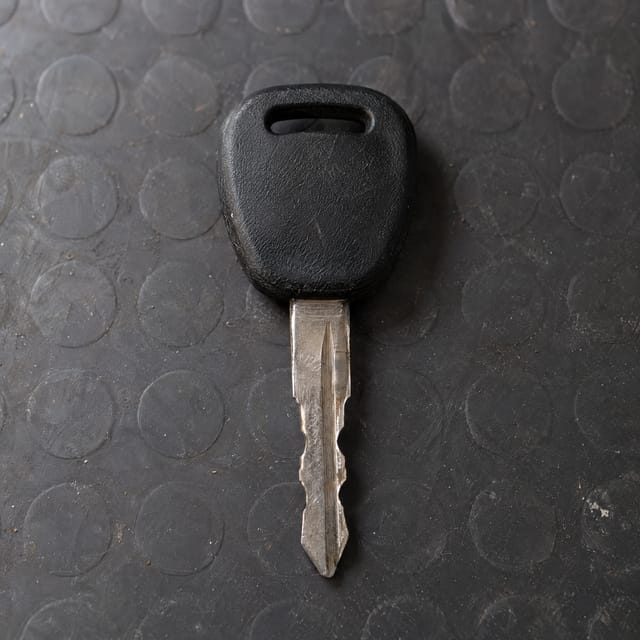
The most obvious starting point is the metal part of the key. If your key has a traditional cut metal blade, it may be a standard mechanical key. These are common in older vehicles and some modern cars as a backup. However, many newer cars use a key blade that is only part of the story. The blade might unlock the door but do nothing for the ignition. Check whether the blade is cut with grooves or if it is a flat, uncut piece of metal that serves only as a handle for the electronic part.
If the blade is present and cut, you still need to consider what else is attached. A key with a thick plastic head often contains a transponder chip. This chip communicates with the car's immobilizer system. Without the correct chip, the engine will not start even if the blade turns the lock. So the blade alone is not enough information.
Step 2: Check for Remote Buttons
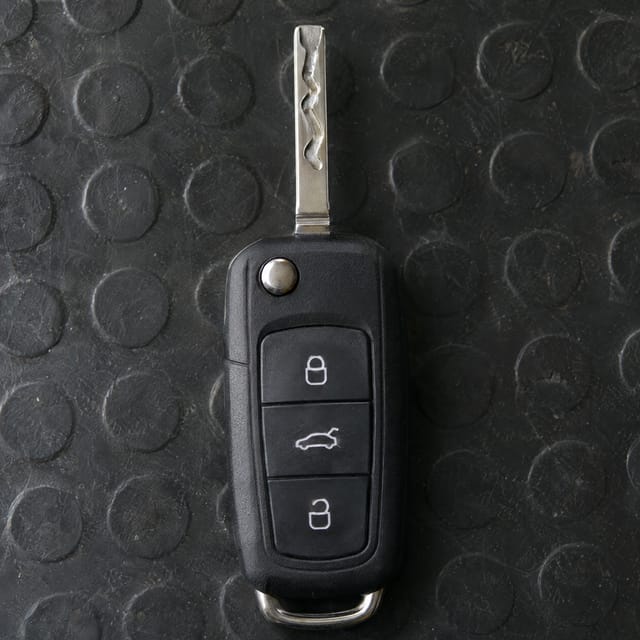
Many keys today have buttons on them. You might see buttons for lock, unlock, and panic. Some have a button for remote start or trunk release. If your key has buttons, it is a remote key fob. These fobs transmit a radio signal to the car's receiver. The car will only respond if the signal matches its programmed code. When ordering a replacement for this type, you need the correct frequency and protocol for your vehicle make and model.
A remote fob may also contain a transponder chip for the ignition. In that case, you need both the remote function and the chip programmed. Some fobs combine the key blade, the remote buttons, and the transponder in one unit. Others separate them. Knowing which parts are combined helps you order the right item.
Step 3: Identify a Smart Proximity Fob
Newer vehicles, especially those from the last decade, often use smart proximity fobs. These are sometimes called passive entry fobs. They do not require you to press a button. As long as the fob is inside the car, the vehicle detects it and allows the engine to start. This is the technology behind push to start systems. If your car starts with a button instead of a key turn, you likely have a smart proximity fob. These fobs contain a tiny radio transmitter that communicates with the car's computer. The car checks the fob's unique ID before disarming the immobilizer.
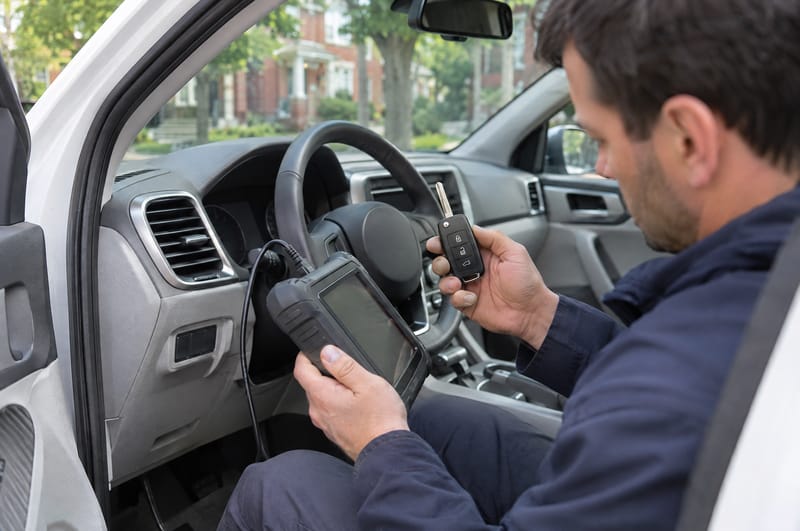
Replacing a smart proximity fob is more involved than a standard key. The new fob must be programmed to match your car's system. Sometimes the programming requires access to the car's diagnostic port. Other times it can be done wirelessly. A professional service like carkeyreplacementtoronto.com can handle this process at your vehicle. That is one of the reasons identifying your key type early matters: smart fobs cannot be duplicated by a simple machine at a hardware store.
Step 4: Look for a Security Indicator Light
Many modern keys have a small LED light that blinks when the buttons are pressed. This light confirms that the fob has power and is transmitting. If your key has such a light, it is almost certainly a remote fob or smart fob. The light itself does not tell you the exact type, but it confirms that electronics are involved. Without a light, your key might still be electronic. Some fobs have no visible indicator. The best way to check is to press the buttons and see if the car responds. If the car does nothing, the fob could be dead, or the key could be purely mechanical.
If you have a transponder key with no buttons and no light, it may still contain a small chip inside the plastic head. These are common in many European and Asian car brands. The chip is passive and only activates when the key is inserted into the ignition. No battery is needed. The car's reader sends a signal, and the chip responds. This type of key must be programmed to match the vehicle's immobilizer code. A simple metal cut will not work.
Step 5: Check Your Car's Manual or Look Up the Model Online
If you are still unsure, your vehicle's owner manual will list the type of key system it uses. Look for terms like "transponder key," "remote keyless entry," or "smart key." You can also search online using your car's make, model, and year. Many forums and automotive sites have guides that show pictures of different key types. This is especially useful for older cars where the key type may not be obvious from the outside.
Another clue is the presence of a diagnostic port under the dashboard. Cars that require programming through this port usually have a more advanced key system. If your car has a port, you likely need a professional to program the replacement. That means you need to bring the car to the key or have a mobile service come to you.
Step 6: Consider the Age and Brand of Your Car
Car keys have evolved rapidly. A car from the early 2000s might use a basic transponder key with a separate remote. A car from 2020 might use a single smart fob that handles everything. Knowing the era of your vehicle narrows down the possibilities. For example, many Toyota and Honda models from the mid-2000s use a transponder key with a separate remote. Newer models from the same brands often combine them. Luxury brands like BMW and Mercedes have used smart proximity fobs for years. Checking the brand's typical key system gives you a strong hint.
If your car has a push to start button, it is almost certainly a smart key system. Push to start is common in many newer models from Hyundai, Kia, and others. The fob must be inside the car for the start button to work. If you lose that fob, you cannot start the car with a simple metal key. You need a replacement that matches the car's security system exactly.
Step 7: Decide What You Need to Order
Once you know your key type, you can choose the right replacement. For a standard metal key, any locksmith can cut a new one from the original. For a transponder key, you need a key with the correct chip and programming. For a remote fob, you need the right frequency and button layout. For a smart proximity fob, you need a compatible unit that can be programmed to your car. The more you know, the better your chances of getting a working key on the first try.
If you are unsure, it is smarter to ask a professional than to guess. A mobile locksmith who specializes in car keys can come to your location and identify the key type on the spot. They can also tell you what options exist for replacement. This is where a service like carkeyreplacementtoronto.com becomes useful. They can cut and program most types of keys at your vehicle, which means you do not have to guess or risk ordering the wrong part.
Final Thoughts
Identifying your car key type is the first and most important step in getting a replacement. It saves you from buying something that will not work. It also helps you choose between a simple cut and a full programming job. Take a few minutes to examine your key, check your car's features, and look up your model. If you still have doubts, a professional can help. The key is to know what you have before you order.